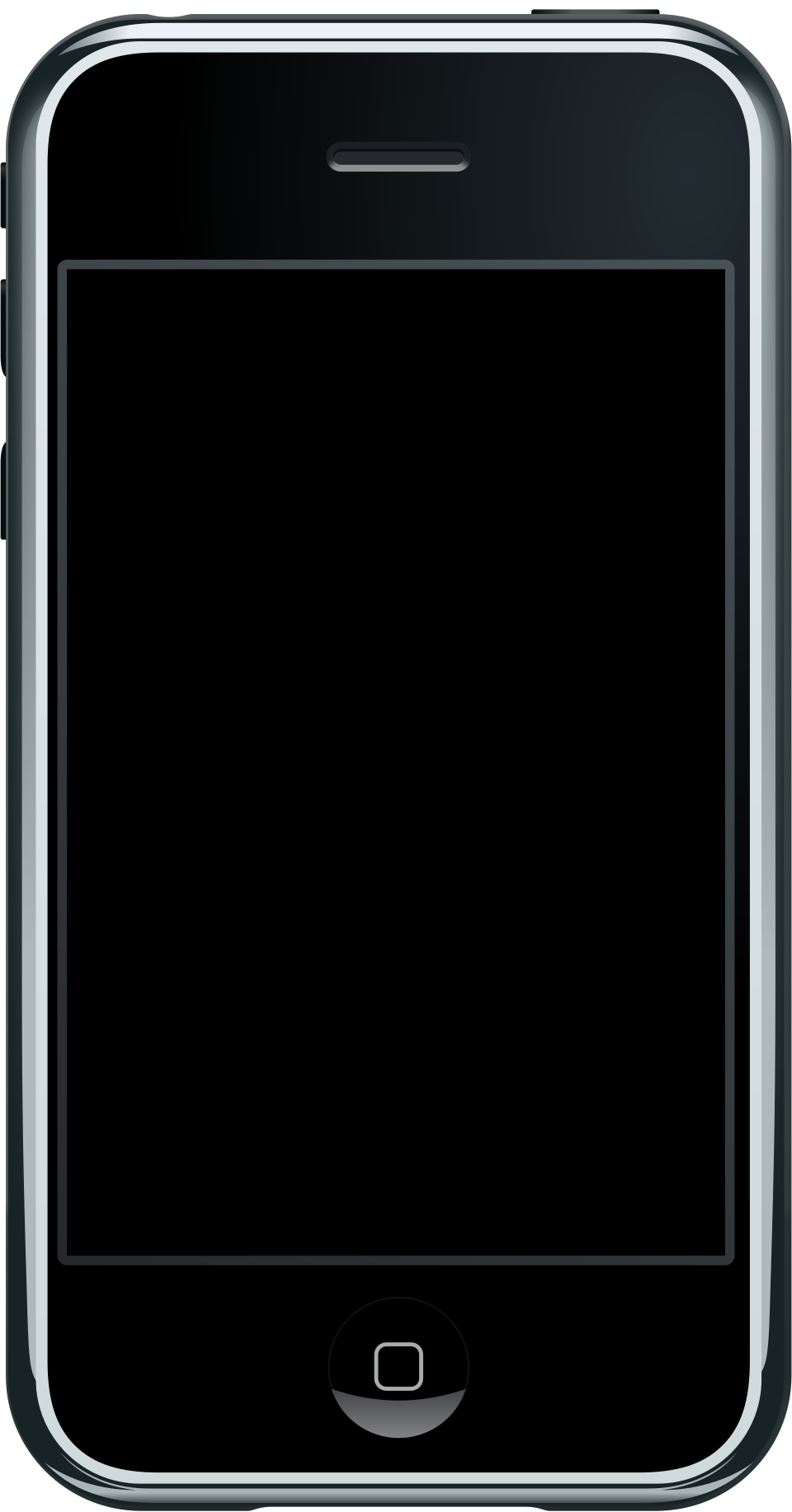
From $499 to $399: The Shocking Evolution of iPhone Prices
The journey of the iPhone is a remarkable tale of technological innovation, market disruption, and, perhaps most strikingly, an astonishing evolution in pricing strategies. From its groundbreaking debut over a decade ago to the diverse lineup we see today, Apple's iconic smartphone has continually redefined expectations. Many enthusiasts and curious consumers often ask themselves, When Did The First iPhone Come Out? And beyond that, how much did it cost, and how does that compare to today's models?
What began as a revolutionary "widescreen iPod with touch controls," as Steve Jobs famously described it, has morphed into a sprawling ecosystem of devices, services, and price points. While the original iPhone launched at a premium that set a new benchmark for smartphones, Apple has, in recent years, strategically introduced models that surprisingly undercut its initial price, offering an incredible value proposition for today's users. This article delves into the fascinating financial journey of the iPhone, exploring how its price points have shifted, adapted, and sometimes even circled back, presenting a compelling narrative of market dynamics and consumer accessibility.
The Genesis: How Much Did the First iPhone Cost?
To truly appreciate the current pricing landscape, we must cast our minds back to January 9, 2007, when Steve Jobs unveiled the original iPhone to a stunned audience. The device, which officially hit the market on June 29, 2007, wasn't just a phone; it was a paradigm shift. Its multi-touch interface, intuitive software, and sleek design immediately set it apart from the clunky flip phones and stylus-driven PDAs of the era. So, when the first iPhone came out, what was the damage to the wallet?
At its launch, Apple priced the original iPhone at $499 for the 4GB model. For those who needed a bit more storage to house their burgeoning music libraries and nascent collection of photos, an 8GB version was available for $599. These prices, while seemingly steep at the time, were considered justified for a device that was truly years ahead of its competition. It offered a seamless web browsing experience, an innovative music player, and a phone that actually felt futuristic. The original iPhone was a statement piece, a status symbol, and a glimpse into the future of mobile technology.
It's crucial to remember the context of 2007. The concept of an "app store" didn't exist, cellular data speeds were rudimentary compared to today, and the idea of a phone being your primary camera or entertainment hub was still nascent. Yet, even with these limitations, the initial price point established the iPhone as a premium product, a positioning that Apple has largely maintained throughout its history.
A Decade of Disruption: Rising Costs and Expanding Capabilities
Following the initial release, the iPhone lineup began a steady march of innovation and, for the most part, increasing price tags. Each new iteration brought significant advancements: faster processors, improved cameras, larger and more vibrant displays, and the eventual introduction of the revolutionary App Store. As Apple pushed the boundaries of what a smartphone could do, the cost of these cutting-edge features naturally escalated.
For example, fast forward to 2021, and the price of the standard iPhone 12 started at $799 for the base 64GB model. Opting for more storage would push the price to $849 for 128GB or $949 for 256GB. This substantial jump from the original $499/$599 reflected a myriad of factors:
- Advanced Materials and Manufacturing: From aerospace-grade aluminum to ceramic shields and complex camera arrays, the hardware became vastly more sophisticated.
- Research and Development: Billions are invested annually into designing new chips, optimizing software, and exploring groundbreaking technologies.
- Ecosystem Development: The vast App Store, iCloud services, and seamless integration with other Apple devices add immense value beyond the physical phone itself.
- Market Position: Apple's brand loyalty and perceived premium quality allow it to command higher prices.
Interestingly, Apple has also demonstrated a willingness to deviate from simple numbering patterns, a subtle reflection of their evolving product strategy. While they generally follow a sequential numbering system, the company famously skipped the iPhone 9, jumping directly from the iPhone 8 to the iPhone X (pronounced "ten") to commemorate the device's tenth anniversary. This move underscored not just a technological leap but also a significant shift in design philosophy and pricing for their flagship models.
The Price Correction: Bridging the Gap with Mini and SE
Despite the upward trend in flagship iPhone prices, Apple recognized a growing market need for more accessible options. As the smartphone market matured and competitors offered a wider range of price points, Apple responded with strategic introductions designed to bridge the widening cost chasm. This led to the creation of models like the iPhone 12 mini and, most notably, the iPhone SE.
The iPhone 12 mini, for instance, launched at $100 cheaper than the standard iPhone 12, offering a more compact form factor without sacrificing too much performance. However, it's the iPhone SE that truly stands out in this narrative of price evolution. The iPhone SE is Apple's direct and highly successful attempt to deliver the core iPhone experience at a significantly more affordable price point. Its pricing starts at a remarkable $399 for the 64GB model, with options for $449 (128GB) and $549 (256GB).
Consider this astonishing fact: the base iPhone SE is $50 cheaper today than the price of Apple's original iPhone was in 2007. This isn't merely a price reduction; it's a testament to the efficiency of modern manufacturing, the scalability of software, and Apple's strategic intent to capture a broader market segment. The iPhone SE provides robust performance, a modern camera, and access to Apple's vast ecosystem, making it an incredible value proposition for budget-conscious consumers or those simply seeking a reliable, compact iPhone without the bells and whistles of the Pro models.
When you consider years of innovation: when did Apple's first iPhone launch?, it's clear that the technological advancements baked into the $399 iPhone SE are light-years ahead of the original $499 device. While the SE retains some familiar traits like the physical home button (in its earlier iterations) and a compact design, its internal hardware, processing power, and software capabilities make it a fundamentally different and far more powerful machine than its ancestor. This stark contrast highlights the incredible progress made in smartphone technology, allowing high-end features to become affordable to the masses over time.
More Than Just a Price Tag: The Evolving Value Proposition
Beyond the raw numbers, the true evolution of iPhone prices also reflects a shift in the perceived value of a smartphone. In 2007, the iPhone was a luxury item, a novelty that demonstrated what future technology could be. Today, an iPhone is an indispensable tool, a personal assistant, an entertainment hub, a communication device, and a professional instrument all rolled into one. The value isn't just in the hardware specifications but in the entire integrated experience: the App Store with millions of applications, robust security features, seamless integration with other devices, and years of software updates.
Furthermore, Apple has diversified its revenue streams, moving beyond just hardware sales. Services like Apple Music, iCloud, Apple Arcade, and Apple TV+ contribute significantly to the company's bottom line, allowing for more flexibility in hardware pricing, especially for entry-level models. This strategy ensures that even at a lower entry price, customers are drawn into an ecosystem that continues to generate revenue for the company.
Practical Tip: When considering an iPhone purchase, always weigh not just the upfront cost, but the total cost of ownership, including potential repair costs, accessory compatibility, and the device's longevity. An iPhone, even an SE, often receives software updates for many years, extending its useful life and offering better long-term value compared to some cheaper alternatives that might be abandoned sooner.
Conclusion
The journey from the original iPhone's $499 launch price to the present-day $399 iPhone SE is a captivating illustration of how technology evolves, markets mature, and companies adapt. When the first iPhone came out, it wasn't just a phone; it was a bold statement. Today, the iPhone lineup, with its diverse pricing from the budget-friendly SE to the premium Pro Max models, demonstrates Apple's sophisticated understanding of a global market with varying needs and budgets.
What remains consistent is Apple's commitment to delivering a premium experience, even as the definition of "premium" changes. The fact that you can now buy an iPhone that is objectively far more powerful and capable than the original for $100 less is a testament to the relentless march of technological progress and a clear indicator of how far the smartphone revolution has come. The evolution of iPhone prices is not just a tale of numbers, but a reflection of a changing world, where cutting-edge technology becomes increasingly accessible, redefining our daily lives with every iteration.